


From the Safavid Era to Today: A Journey through the Sweet History of Gaz of Isfahan
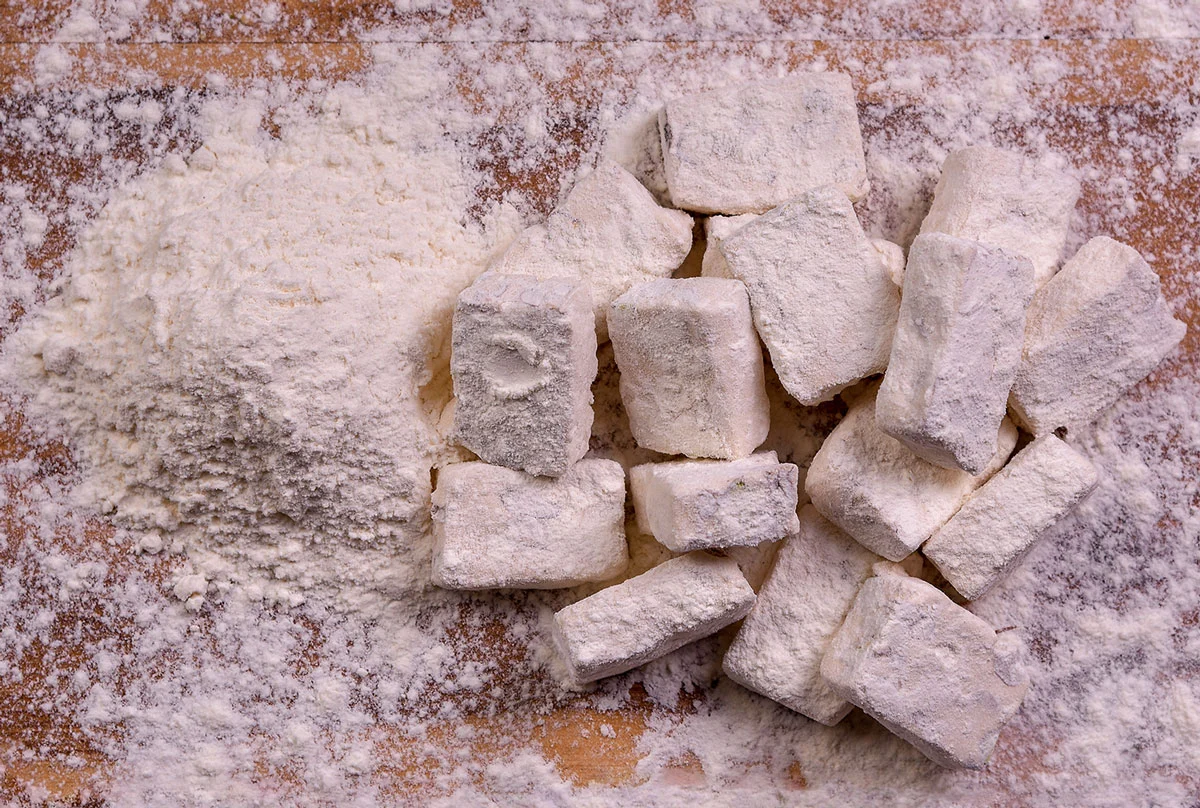
Gaz of Isfahan, this beloved and delightful confection, not only offers a delicious taste but also carries profound history and culture within it. The roots of Gaz trace back to the Safavid era, a time when it emerged as a symbol of the artistry and creativity of Iranians. Winding through the lively and narrow streets of Isfahan, Gaz has become one of the city’s most significant souvenirs, holding a special place in the hearts of Iranians alongside its historical and cultural landmarks.
The importance of Gaz in Isfahan’s culture is such that it is more than just a treat – it is a symbol of hospitality, joy, and unity. Every piece of Gaz tells a story of the ceaseless efforts of its artisans and their passion for handcrafted art. From Nowruz to celebrations and gatherings, Gaz has always been a companion to the people, becoming an integral part of the cultural pillars of this land. With this introduction, let us invite you to embark on a journey through the sweet history of Gaz of Isfahan and explore its enchanting world.
The History of Gaz since the Safavid Era
The origins of Gaz, this unique and beloved sweet, date back centuries. It is said that Gaz first emerged during the Safavid period, particularly in Isfahan, and gradually became one of the city’s defining symbols. At that time, Isfahan, as the cultural and political capital of Iran, was a hub of art and craftsmanship, and Gaz was recognized as one of the distinctive products of this era.
The Origins of Gaz
Some historical sources suggest that Gaz’s early versions were made using simple ingredients such as sugar, rosewater, and various nuts. However, during the Safavid era, the use of fresh, natural ingredients, and unique preparation methods significantly enhanced its quality and flavor.
Popularity during the Safavid Period
During the Safavid era, Gaz gained immense popularity among royalty and the court. This sweet treat was a favorite at grand ceremonies and banquets, especially during celebrations and religious events. Gaz was not only praised for its delightful flavor but also for its elegant appearance, making it an ideal choice for hosting guests.
The production of Gaz at that time was considered a form of craftsmanship, with artisans and craftsmen dedicating meticulous care and passion to its preparation. This elevated Gaz to a symbol of Iranian culture and civilization, earning it fame beyond the country’s borders.
The prominence of Gaz during the Safavid period was so significant that it can even be observed in the literature and art of the time. Poets and writers often referred to Gaz as a symbol of life’s sweetness and pleasures, solidifying its place in the cultural identity of Isfahan and Iran.
Thus, Gaz became more than a delicious treat; it evolved into a cultural and historical legacy retaining its value through centuries and remaining one of the enduring treasures of Isfahan.
The Role of Gaz in Safavid Ceremonies and Gatherings
In the Safavid period, Gaz was a central element of ceremonies and gatherings, playing a unique role in the culture and social customs of the time. This popular confection was not just a delicious treat but also a symbol of hospitality and respect for guests.
- Serving Guests
Gaz was one of the most delightful and elegant sweets used for hosting guests. In grand celebrations such as Nowruz and other religious festivities, Gaz was an inseparable part of the table setting. Offering Gaz to guests symbolized the host’s respect and affection for their visitors.
- A Symbol of Luxury and Wealth
In the Safavid court, various types of Gaz were crafted with exquisite decorations and premium ingredients. These sweets were presented in luxurious containers, reflecting the opulence and wealth of the royal families and nobility. This practice not only enhanced Gaz’s prestige but also sparked competition among the elite to create the most exquisite and attractive Gaz.
- In Religious Ceremonies
Gaz also held significance in religious rituals and prayers. During special occasions like Ramadan and mourning ceremonies, Gaz was distributed as a charitable offering to the poor and needy. This act symbolized solidarity and social support, deeply rooted in Iranian culture.
- A Treasure Trove of Flavors
During the Safavid era, Gaz was produced in a variety of flavors and with diverse ingredients. This variety added charm to gatherings and allowed guests to savor different tastes. Moreover, artisans and craftsmen continually innovated in the preparation and decoration of Gaz, making it one of the highlights of social events.
Transformation and Development of Gaz during the Qajar Era
In the Qajar period, Gaz evolved significantly, not only in its quality and variety but also in its cultural and economic role. This era saw a blend of art and industry taking Gaz production to new levels.
- Changes in Ingredients and Production Process
During the Qajar era, with increased trade and cultural exchange with other nations, new ingredients entered Iranian markets. This diversification enhanced the flavors and quality of Gaz. Notably, the use of fresh nuts such as pistachios and almonds elevated its appeal. Besides, the production process gradually moved towards industrialization, enabling mass production.
- Growth of Gaz Brands and Workshops
Gaz workshops in Isfahan and other cities flourished during this period. With rising demand, several workshops gained prominence, becoming well-known brands. Their products were distributed to other cities and even exported to neighboring countries, contributing to the reputation and recognition of Iranian Gaz as a valuable export product.
- Gaz in Social Life
Gaz continued to hold a vital place in celebrations and ceremonies during the Qajar period. Events like Nowruz and religious gatherings prominently featured Gaz as a special and noteworthy treat. Furthermore, in guest hospitality, Gaz was regarded as a symbol of generosity and respect.
- Influence of Art and Handicrafts
The Qajar era was a pinnacle of art and craftsmanship, which influenced the design and packaging of Gaz. Workshops began offering beautifully decorated and artistically packaged Gaz, enhancing its market appeal. This focus on aesthetics not only added visual charm but also increased its economic value.
- Expansion of Domestic and International Markets
With improved quality and diversity, Gaz markets expanded both domestically and internationally. As a popular souvenir, Gaz of Isfahan was distributed across Iran and exported to other countries. This development boosted the economic prosperity of the Gaz industry and enhanced its global recognition and popularity.
The Contemporary History of Gaz of Isfahan
In contemporary times, Gaz remains a symbol of Isfahan’s and Iran’s rich cultural and culinary heritage while undergoing significant transformations. These changes have not only enhanced the quality and variety of this confection but have also established it as a popular export and souvenir.
- Advances in Industry and Technology
The introduction of modern technology into the confectionery industry has brought major changes to Gaz production. Large factories equipped with advanced machinery now enable high quality, mass production. These technologies include state-of-the-art equipment for mixing, cooking, and packaging, reducing production time while improving precision and consistency.
- Diversification of Flavors and Products
Modern Gaz producers have expanded the range of flavors and ingredients to cater to changing tastes. Alongside traditional Gaz with pistachios and almonds, new varieties featuring flavors such as saffron, cardamom, and even fruits have been introduced. This diversity has attracted younger generations and appealed to a wider range of preferences, transforming Gaz from a traditional sweet into a contemporary option.
- Focus on Quality and Health
Today’s consumers prioritize health and the quality of their food. As a result, Gaz producers emphasize the use of natural, high-quality ingredients while avoiding artificial additives. This approach not only enhances the flavor and quality of Gaz but also appeals to health-conscious customers.
- Export and Global Markets
Gaz, as a quintessential Iranian souvenir, is exported to various countries worldwide. These exports promote Iranian culture and traditions while boosting the economy and creating jobs in the Gaz industry. Renowned Gaz of Isfahan brands participate in international exhibitions and events, aiming to attract global customers and establish Gaz as a cherished delicacy abroad.
- Gaz in Contemporary Culture
Gaz continues to be a staple in celebrations and gatherings such as Nowruz, weddings, and other special occasions. Moreover, many families purchase Gaz as a unique gift for guests. Hence, Gaz is not merely a delicious treat; it is also a vital part of Iran’s cultural and social identity.
In contemporary times, Gaz has not only enhanced its quality and variety but also strengthened its position in both domestic and international markets. This transformation reflects the deep connection of Gaz with Iranian history and culture, helping to continue the rich heritage of this beloved sweet. Despite the changes and advancements, Gaz still holds a special place in the hearts of the Iranian people, serving as a reminder of the history and craftsmanship of our homeland.
Gaz as a Symbol of Isfahan’s Authentic Culture
Gaz serves as an enduring emblem of Isfahan’s culture, deeply intertwined with the city’s history and social life. This delightful confection is not only a highlight of gatherings but also a symbol of hospitality and the authenticity of Isfahani traditions.
- A Symbol of Hospitality
In Isfahani culture, hosting guests with Gaz is an integral part of etiquette. During special occasions like Nowruz, weddings, and religious ceremonies, Gaz is one of the most prominent sweets on the table. Offering Gaz is a gesture of respect and warmth, embodying the host’s affection and hospitality.
- History and Cultural Identity
Gaz is intrinsically linked to Isfahan’s rich history. With its long-standing tradition, this confection tells a story of Iranian artistry, skill, and creativity. Particularly during the Safavid era, Gaz emerged as one of Isfahan’s signature products, blending seamlessly with the city’s artisanal crafts and culinary arts. This historical connection has preserved Isfahan’s cultural identity and established Gaz as an inseparable part of its local heritage.
- Festivals and Events
Isfahan is renowned for hosting festivals and events dedicated to Gaz. These gatherings provide an excellent platform to showcase various types of Gaz and their producers while promoting the rich culture and traditions of Isfahan. Moreover, such events attract tourists and foster social and economic connections.
- Art and Handicrafts
The production of Gaz in Isfahan is itself an art form. Artisans and craftsmen approach Gaz-making with precision and care, preserving it as a traditional craft. The design of packaging and decorations for Gaz also reflects the creativity and aesthetic sensibility of Isfahanis, elevating the confection to an artistic level alongside its culinary appeal.
- Gaz in Everyday Life
As a popular souvenir, Gaz holds a special place in the daily lives of Isfahanis. Many families enjoy Gaz as a delicious and nutritious snack, and it is a staple for hosting guests. Local shops and markets prominently feature Gaz as one of Isfahan’s primary souvenirs, appealing to both residents and tourists alike.
Gaz is more than just a sweet treat – it embodies the cultural identity of Isfahan. Its connection to history, artistry, and hospitality makes it a symbol of the city’s rich and authentic culture. As such, Gaz continues to thrive as a cultural heritage, cherished by Isfahanis and shared with the next generations.
In Conclusion
Gaz, as a unique and renowned confection, is not merely a delicious sweet; it is a symbol of the rich history and culture of Isfahan and Iran. Dating back to the Safavid era, Gaz has woven itself into the fabric of various traditions and ceremonies. Its production, using natural ingredients and traditional methods, reflects the artistry and creativity of Iranians in crafting something truly exceptional. This sweet has not only graced the tables of Isfahan’s residents but has also been a centerpiece in gatherings, religious ceremonies, and festive celebrations, representing hospitality and affection.
Preserving and honoring this cultural legacy is about more than safeguarding a delightful treat – it is about protecting the values and traditions that shape a nation’s identity. In a rapidly changing and globalizing world, the importance of maintaining such cultural heritage is greater than ever. Gaz serves as a delicious reminder of Isfahan’s history and artistry, carrying its values and traditions into the future for generations to cherish.